the chapbook interview: Sarah Ann Winn on “the ephemeral things I hold dear”

You are the author of the chapbook Portage (Sundress Publications, 2014). What did you learn during your MFA studies about the chapbook?

As excellent as GMU’s program was, I didn’t learn very much about the chapbook in my classes there. Most of what I learned was in conversations with my friends who were submitting/assembling chapbooks. Occasionally someone would mention them in a class (usually a student), or I would see them as final products in displays for courses I hadn’t taken but wish I had been able to (like Susan Tichy’s poem-as-object class, Book Beasts), but overall, I was not required to read any, and there was no formal learning outcome which related to them specifically. I learned by going to panels and in the book room at AWP as well. They can be such tactile objects that being able to see them in person/hold them in my hands was an essential part of my learning experience.


Your chapbook Portage isn’t a tactile object in the sense that it’s an echapbook. What are the benefits of publishing echapbooks?

One of the benefits of publishing an e-chap is the wide audience. For a small publisher like Sundress, it keeps costs down, and distribution easy. At AWP, I was able to hand people my card, and more than one person said that they planned to have their class download it as an additional text, since it was free. What a great way for a poet at the beginning of their career to develop readership!
 

What chapbooks and chapbook presses do you admire for the tactile objects they create and why?

There are many presses that are doing a great job capitalizing on the physical capabilities of chapbooks. One thing that they have in common is their attention to detail/use of the form to enhance the already beautiful work. Something that’s been interesting to watch is the more and more frequent inclusion of hybrid works in chapbook lineups. This seems like a match made in heaven, where both are the manticores of the literary world.

In no particular order, here are a few I love:

Yellow Flag - Block print painted covers on some (like Erica McCreedy’s Red Winter), unique size on others (like Lauren Gordon’s Generalizations About Spines), this press clearly takes into consideration the style of the poet.

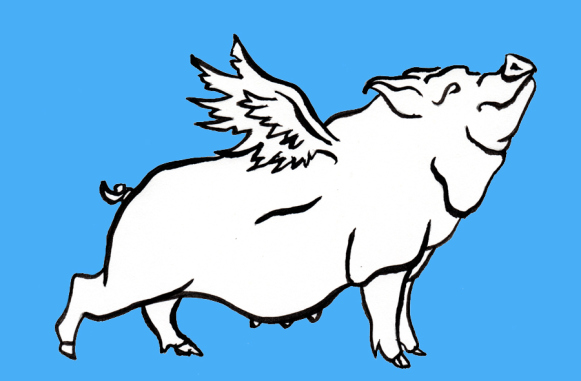
Porkbelly - These handmade beauties with full color covers are sold on Etsy. All of their titles are head turners. I admired them before they picked up my micro chap, Haunting the Last House on Holland Island (due out next year).

wr

Miel Books - Their catalog would be dreamy in full size features as well - but in minis!? I felt like swooning at their table. Slip covers, illustrations throughout, diagrams, authors are frequently hybrid works writers. what’s not to love? Miel also does something rare - their chaps and microchaps have ISBNs, making them more available/visible to bookstores and libraries.

Red Bird Chapbooks - Have you seen Donna Vorreyer’s chapbook, Encantado? Its cover and images throughout were done by Matt Kish. It’s printed in full color on Superfine Ultra White Eggshell Paper. The inside text is printed on Archival Bright White paper. It’s in Garamond. I know all these things because Red Bird prints them on the copyright page! This is artistic pride, and well founded.

Sometimes it’s the small details that offer huge results: Hyacinth Girl and Blood Pudding both use pretty ribbon bindings, and full color covers. Dancing Girl’s covers are also in full color, but the texture of the covers are also somehow stylistically appropriate to the content (Sara Henning’s Garden Effigies cover feels like a sketchbook, mirroring the poems’ light touch and deft craft. Mary McMyne’s Wolfskin feels like a well worn storybook.) It doesn’t have to be an all out extravaganza. I have read and loved chapbooks where the presses didn’t go to such extraordinary lengths. I think, though, that something about the process of making these and reading them binds the reader and publisher together as people who love the same things. It also seems to imply a relationship with the author/connection with his or her work that as the reader, I appreciate.


small prestivus 2015, 2

I adore the title of your chapbook and the ellipse design after each title of the poems within. There’s a sense of longing that permeates the book. What inspired Portage?

The poems in Portage were inspired directly by my childhood, and being raised by my grandparents. When you’re raised by people who are a generation removed from most people’s parents, the question of how to hold on to memories is an ever pressing one, because they can see their own past slipping into history. I felt this sense of urgency move into high gear when my sister died while I was in high school, and have been trying to figure out ways to preserve my personal history/the ephemeral things I hold dear ever since.


How do you define chapbook? A small collection of tightly woven poems, linked thematically or stylistically.

What makes a good chapbook? I think it’s important that each individual poem has a clear relationship to the next. Of course, as associate editor for ELJ, I also hope that the poems in each manuscript are polished, and as a reader I enjoy the physical object, but a core value for me is that strong link between each poem.
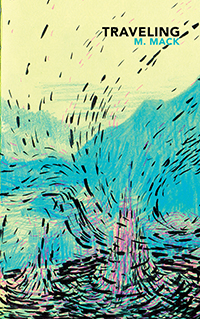
 

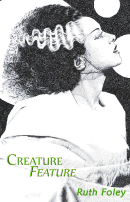
What chapbooks are inspiring you these days? So many! M. Mack’s Traveling (Hyacinth Girl, 2015), Shana Youngdahl’s Winter/Windows (Miel, 2013), Ruth Foley’s Creature Feature (ELJ, 2015), Laura Gordon’s Generalizations About Spines (Yellow Flag, 2015) (really anything by Lauren Gordon - all her chaps are amazing!), Amorak Huey‘s The Insomniac Circus (Hyacinth Girl, 2014) — these are just a few!
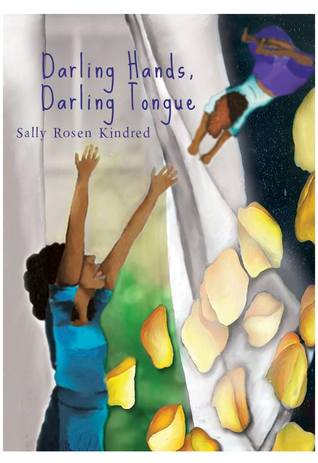
What chapbooks or chapbook poets have impacted your writing the most? I am so fortunate to workshop often with Jennifer MacBain Stevens and Sarah Lilius. Sarah’s What Becomes Within is brave and poignantly written, and Jennifer’s Jeanne (Be About It Press, 2015) and The Visitant (Shirt Pocket, 2015) are tightly woven and have such beautiful unexpected language. I also really love Sally Rosen Kindred‘s Darling Hands, Darling Tongue (Hyacinth Girl, 2014), Mary McMyne’s Wolfskin (Dancing Girl, 2014), Kelly Boyker’s Zoonosis (Hyacinth Girl, 2014), and Sara Biggs Chaney’s Ann Coulter’s Letter to the Young Poets (Dancing Girl, 2014).
What do you look for when you put together a chapbook? (I think I mostly answered this above)

How are you trying to get better as a chapbook poet? I’m trying to look for unexpected links in my work which already exist, and to write longer sequences. I have poet A.D.H.D, and tend to race from one interesting thing to another, rather than really settling in with a topic, and letting it blossom.

What’s next for you? I’m finalizing a full length manuscript of poems about Glinda the Good Witch who’s grown tired of Oz, and who leaves. These poems explore the intertwined ideas of home and identity.

Number of chapbooks you own: 30? 40? Many…

Number of chapbooks you’ve read: Almost all that I own. I am just now catching up with my AWP haul.


Talk about your commitment to the chapbook writing community. I enjoy reading chapbook manuscripts for ELJ, and appreciate their commitment to discovering new artists. I try to read widely, and beyond my own circle of friends, and tweet/Facebook promote the amazing finds I make. I’d like to commit to writing more reviews, but right now I owe 2-3, and this is enough of a backlog to tell me that this might be beyond me for now. Writing reviews is something that I really enjoyed doing as a School Librarian, and have moved away from it to a degree to focus on generating new material. Time to get back to it!

Ways you promote and serve other chapbook poets: Mostly, I recommend the ones I read and like to friends/followers. I try to talk about titles that I adore often in interviews and online, because word of mouth is so important in our community. I also enjoy trading manuscripts, because manuscript critiquing services can be expensive. (Of course, this is also self serving, because I get a second set of eyes/third/fourth, and I get to preview wonderful work.)

Where you spend your chapbook earnings: In my imagination — the only place that currency’s accepted.

Residence: Manassas, Virginia

Job: Free Range Librarian

Chapbook education: MFA from George Mason University in Creative Writing Poetry, MSLiS in School Librarianship from Catholic University of America (They seem equally important to my chapbook’s generation!)

Chapbook Bio: Sarah Ann Winn’s poems have appeared or will appear in Cider Press Review, Hobart (online), Massachusetts Review, Quarterly West, and RHINO, among others. Porkbelly will be releasing her micro chapbook, Haunting the Last House on Holland Island, in Summer of 2016. Her chapbook, Portage, is available as a free download from Sundress Publications. Visit her at http://bluebirdwords.com or follow her @blueaisling on Twitter.

small prestivus 2

the chapbook interview: Bud Smith on trusting muscle memory

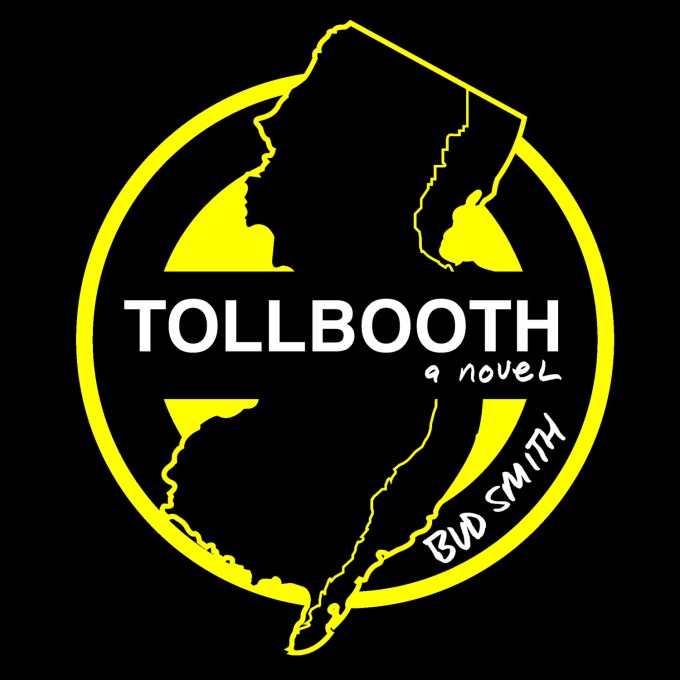
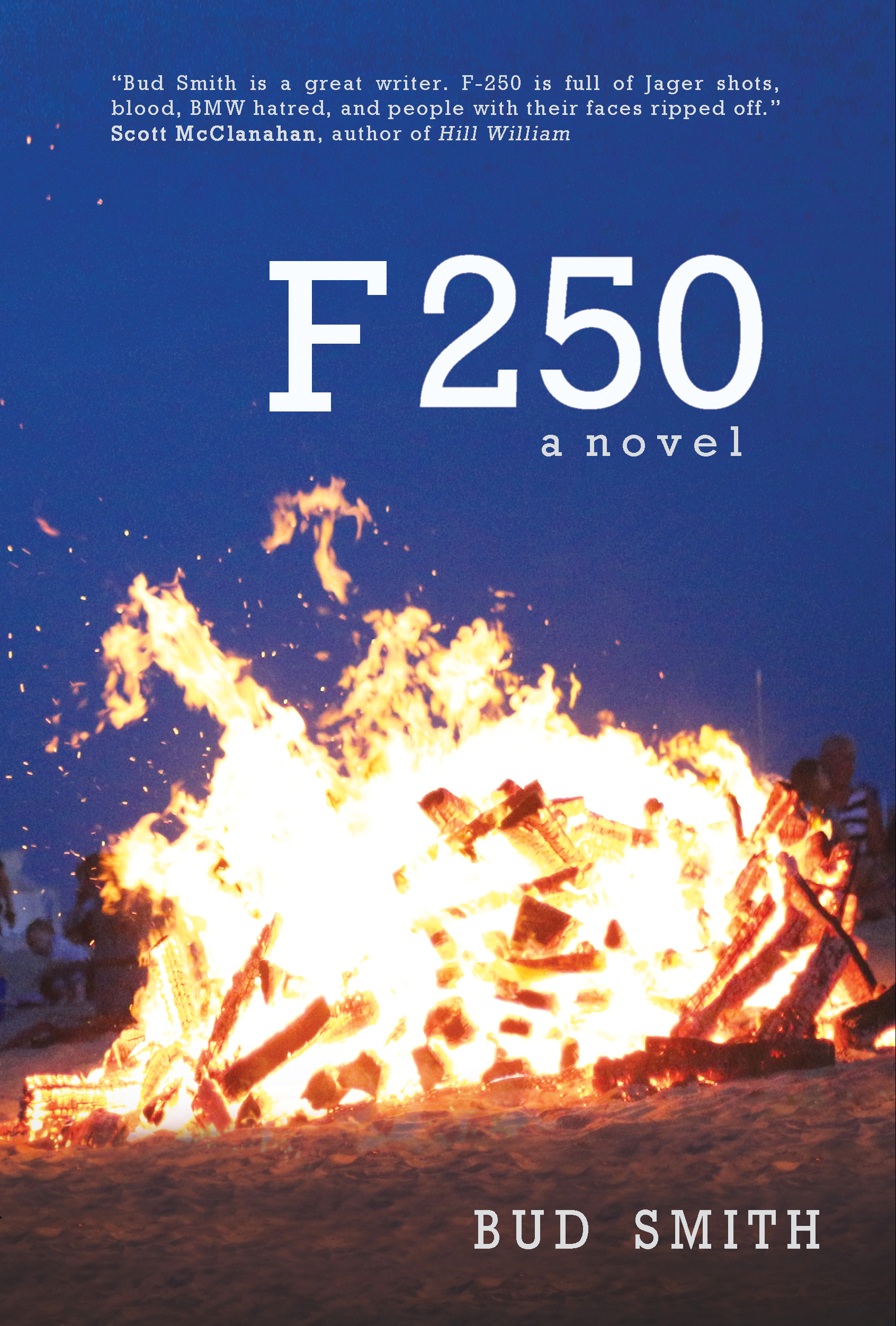
You are the author of the chapbook Fun Times in the Wild (Unknown Press) and Or Something Like That (Unknown Press), both published by your press, as well as the two novels, the book F 250 (Piscataway House, 2014), Tollbooth (Piscataway House, 2013), a full-length collection of poetry Everything Neon (Marginalia, 2014), and two additional collections Tables Without Chairs (House of Vlad, 2015) with Brian Alan Ellis and a forthcoming novella, I’m From Electric Peak. What did you learn in school about the chapbook?

I didn’t learn about chapbooks in high school and that’s as far as I got.

I started making them to give out for free at readings, especially bookstores, where I’d make up a chapbook of the set I was going to read (Fun Times in the Wild, is just some of the newer short stories I love to read). I give the chapbook to anyone who buys something from the book store. A way to support the venue that is cool enough to have the reading. I’ve made other chapbooks from time to time and there always, just a set. Like … Hey thanks for saying you liked the reading and asking what book that piece is in, but since it won’t be in a proper published book by a press, here’s a DIY chap I made last night so I wasn’t reading off my phone.

This is what I know about chapbooks from making them and from reading them:

They are best, slim

You can’t get too creative with it, drawings and doodles and maps and whatever

A long stapler is the best thing on earth

I’m reading your chapbook Fun Times in the Wild. I had the chance to hear you read the opening short story “Tiger Blood” at Small Prestivus this summer. This story, as well as others in the chapbook, take surreal and strange turns that are imaginative, quirky, and provocative. What contemporary writers do you admire who do similar work?

Thanks, for the kind words. “Tiger Blood” is a story about a guy who goes on a first date with a girl who reveals that she has tigers that live in her blood cells, he counters with the revelation that he eats rocks to help him digest.

One of them on this first date is extraordinary … Which is something that happens sometimes. You meet someone in the world and you cannot keep them, you’re not enough for them …

Quirky fiction where the strange and surreal surface, still remind me of the real world, because sometimes in real life, a person can just look around and say ‘wow this whole being alive thing is such an insignificant joke, any second now I’m going to vaporize into dust, it’s all meaningless and all I can do is laugh at myself and laugh at everyone around me, and peel back the regular scenery of this life to reveal representative joy and sadness’. This realization might happen at the super market or it might happen while driving to or from work. What can you do after that thought pops in your head?

Fun Times in the Wild is a wacka-doo look at the seemingly mundane. Its characters and events are perhaps happening in some dream world, but the implications of what it means to be mortal, lonely and alienated/oppressed are true to what it means to live on this planet at this moment in time.

Some great writers who are doing this same style are, Ben Loory, Amelia Gray, Matthew Simmons, Aimee Bender, Dolan Morgan and Amber Sparks just to name a few. I first found my way into imaginative literature from reading Kurt Vonnegut, he’s dead now, but don’t tell him I said that, I’d hate to discourage him.

The stories in your chapbook are playful and surprising. Discuss your day-to-day writing process.

I write on my cellphone usually, in the notes app. The short stories in Fun Times were written typically, first drafts taking 15 minutes or so and then revised here and there over time. My daily writing approach is just to always have my phone on me and to write a story or poem if it comes. And to do it quick.

As far as approach I usually write a story because it feels like a stupid idea. I like to bend stupid ideas, into something that might have a little shiny gem about it somehow—a man finding a talking seashell that negatively influences his life; a girl raises an eagle from a hatchling to a dragon-size terror; a spaceship lands in a man’s yard and no one can see it but him … These all start as little scenes of what would be C movies in my mind and I just slap the stories down as fast as I can, pretty much just trying to keep up with the absurdity as it zips by.

I don’t always write surreal stories like these. Realism has its appeal and so does surrealism for me. Fun Times is a collection of stories that could be cartoons. Something exciting happens when you are writing about a cartoon character but treating it like it has a complex mind, emotions, ways to relate to the other cartoons around them, who are also deeply aware of that common though I think most humans are wrapped up with “What the fuck is going on?”

How do you define chapbook? Little book you make yourself or with a cohort.

What makes a good chapbook?
Can read it all on a lunch break. Or in between green lights.


What chapbooks are inspiring you these days?
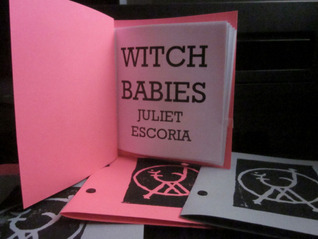
Sam Slaughter’s short story chap When You Cross the Line and the recent chap by Juliet Escoria, Witch Babies.

What do you look for when you put together a chapbook? Strong theme. A collection of punk songs or Loony Toon cartoons.

How are you trying to get better as a chapbook poet? Always go a little crazier. Be messier. Not take any of it too serious. Trust muscle memory.

What’s next for you? Working on a novel about the dirt road I grew up on and the campground we lived in for a while.

Bio: Bud Smith is the author of the novels, F 250 and Tollbooth, the short story collection Or Something Like That and the poetry collection Everything Neon.

the chapbook interview: “I didn’t know that chapbooks existed” Raylyn Clacher on chapbook existence

Capture

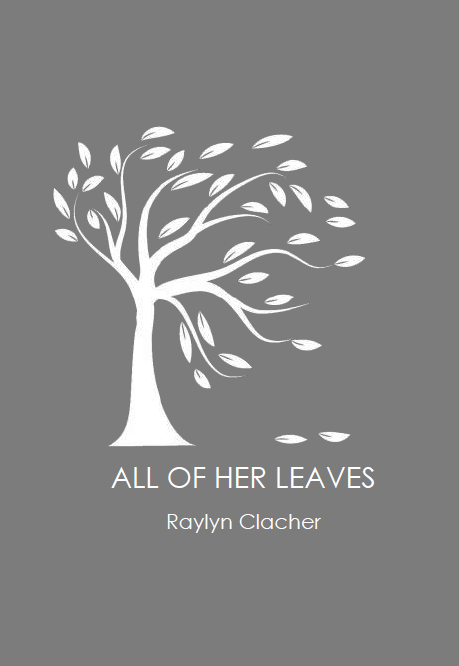
You are the author of the chapbook All of Her Leaves (Dancing Girl Press, 2015) and have a MFA from the University of Nebraska. What did you learn during your MFA studies and undergrad degree about the chapbook?

I was first introduced to the chapbook during a summer writing workshop through the University of Nebraska Lincoln with Zachary Schomburg. Before that class, I was kind of writing in this little bubble with no concept of the outside writing world. Honestly, I thought I was a freak for coming home from my job as a manager and working on these little poems that never went anywhere. Drafts kept accumulating but never got completed.

In that class, Zach brought in a bunch of chapbooks the last day. They were beautiful. It sounds silly, but I didn’t know that chapbooks existed. I thought your poetry collection had to be larger to be published. I loved the size of the books, how they felt like these compact little nuggets of power and emotion. During that workshop he also talked about creating continuity in your collection through repetition and naming.

Through my MFA studies, I learned how to actually see my poems through to completion, how to harness the wild imagery into a larger narrative. I learned to give them direction and force. I learned to persevere. These experiences came into play when I started taking a look at the work I’d accumulated the summer before my graduating semester. I started to notice some threads running through my work. I thought about that workshop with Zach and began to play around with the idea of a character who could step into some of the poems to give them a larger narrative.

That’s what I adore about your poetry—the wild imagery. All of Her Leaves offers Laura Ingalls Wilder, tornadoes, owls, cooking and eating, motherships, fire, crows, and worms hefted around your lines with fierce verbs. What poets and collections of work do you admire that have employ imagery in ways you find provocative and inspiring?

Thank you! That’s part of what I love about writing - the permission to let your imagination run free and play. As far as inspiration, it always kind of begins and ends with Sylvia Plath for me. I was introduced to her poem, “Mirror” in Mrs. Borrego’s sophomore English class and have been fascinated with how Plath uses imagery ever since then. Her work has this clear, visceral edge to it that (for me) comes from the startling, exact images. In “Mirror,” I can inhabit the world of this object. I can feel the unstoppable terror of age approaching, this “terrible fish” that she’s becoming. You can’t leave a Plath poem without at least one powerful image pinned in your brain.

I’ve also been inspired by Zachary Schomburg and Patricia Lockwood’s work. Schomburg has this way of inhabiting and animating something unexpected, like a refrigerator in “Refrigerator General” and not only bringing it to life, but giving it emotion and resonance. I love how Lockwood employs imagery in her work and lets her imagination run wild. It’s like each poem of hers sees a string of images or association of words through to their full conclusion. She explores every possibility before putting a poem to bed.

As I revise work, I’ve been trying to think of Elizabeth Bishop more and balance her out with my impulse to run wild. I love how she calmly inhabits an image and gives it it’s full due. There’s this methodical calm to her work - like in “The Weed,” she takes her time to focus on and fully flesh out this weed rather than moving on too hastily. I’m trying to work on this balance.

With all the things in life that conspire against the work of poems, what brings you to and inspires you to write the images and stories you tell in your poetry and specifically in All of Her Leaves?

Ironically, I feel like it’s those things in life that conspire against the work of poems that generate images and stories for me - that kind of chaos and upheaval that makes it hard to sit down and write. The work in All of Her Leaves came out of a really chaotic time for me. Not only was I going through a lot of life changes, but my friends were too. I had a lot of anxiety and uneasiness, which I’ve found usually leads me to look at things differently. I think it’s my brain’s way of making sense of things and neutralizing them.

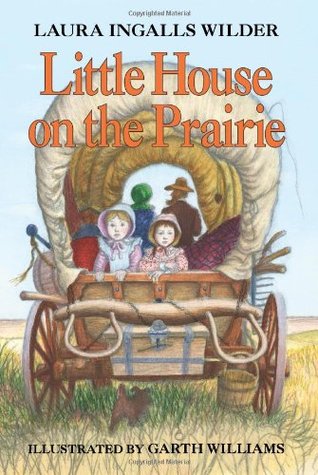
For example, the poem “My Heart is Overfed” started with the image of the pig’s bladder from the Little House on the Prairie books and this feeling of wanting to go back in time. Then it became this idea of trying to swallow all of the good things of the earth before they disappear. It was this idea of being in love, but also being worried that that love may leave or not work out, this feeling of grabbing everything you can while you can, of savoring the moment.

It’s this kind of disconnect and tension that generates poetry for me. When I’m anxious or struggling with something an image or phrase will pop into my head. Sometimes it happens while I’m driving or at work. I jot it down for later when I can come back to it. The trick is finding the time to flesh out the poem.

Beyond your publishing record and your MFA, I know you work full-time and are an expecting mother. Talk about your writing discipline. How does work and pregnancy make possible moments to flesh out your poetry?

Like all of us, I’ve learned that I have to make time to write - if I wait for a chunk of time to present itself, it’s never going to. My list of to do’s will always be there. The best time for me to write is early in the morning, before the day starts. Otherwise my brain is mush by the end. Sometimes I can sneak some writing or reading in over my lunch break too. I’m trying to get better at making the most of shorter bursts of time, because I have the feeling that’s going to be key once the baby comes. I have no idea what life is going to be like in a few more months, but I know that writing is one of the things that I want to hang onto and make time for.

How do you define chapbook? A smaller collection of poetry, usually tightly focused on a theme or narrative.

What makes a good chapbook? Something that’s tightly woven thematically, that pulls me from poem to poem.


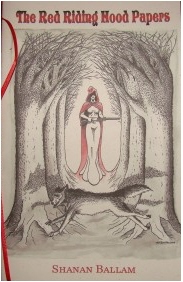
What chapbooks or chapbook poets have impacted your writing the most? Shannan Ballam’s The Red Riding Hood Papers

What do you look for when you put together a chapbook? A good story line that will keep people engaged.

How are you trying to get better as a chapbook poet? I’m trying to read more and support the chapbook community.

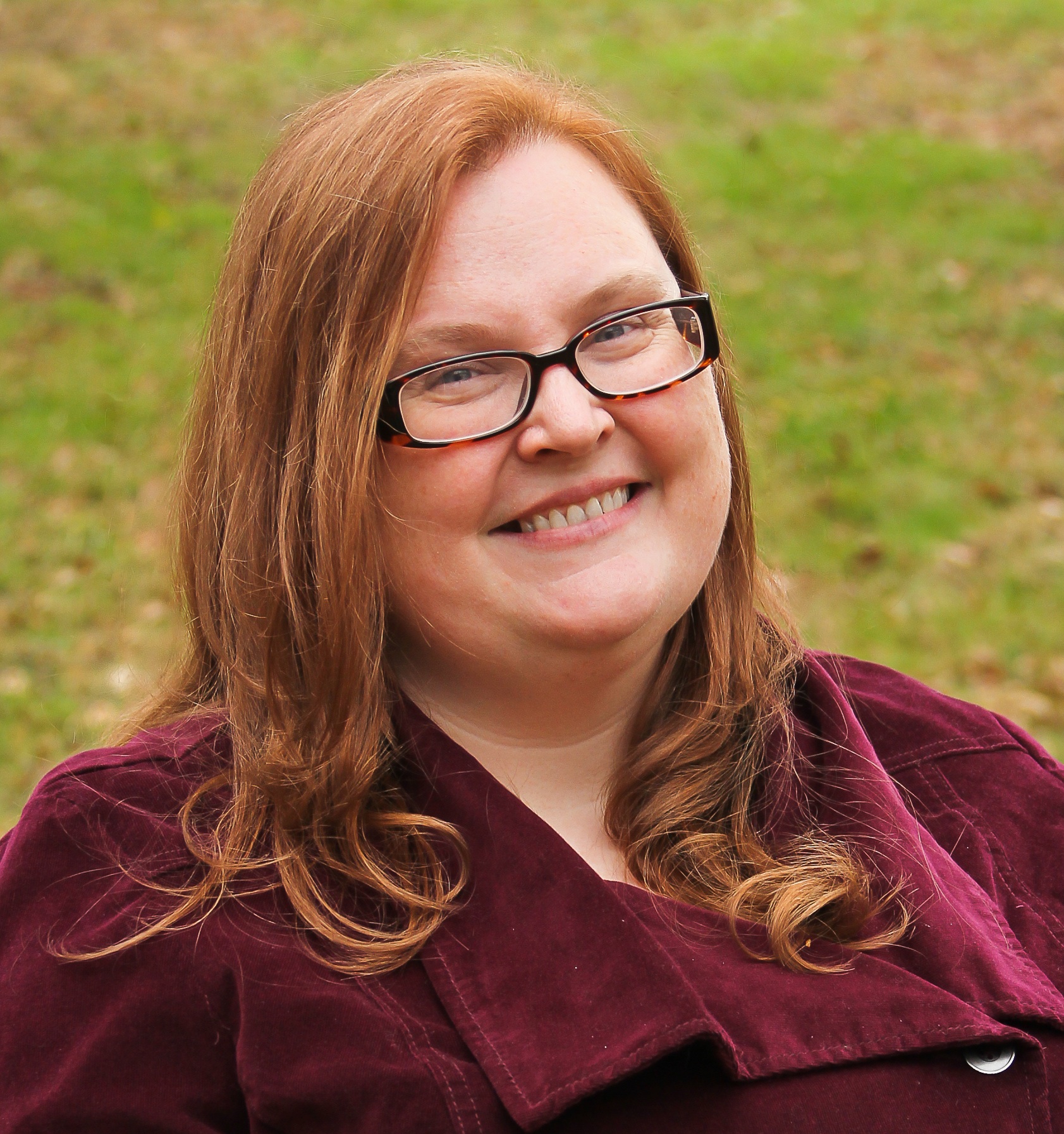
Raylyn Clacher

What’s next for you? Working on getting my full length manuscript out there, hopefully pulling another chap together, ideally putting together a reading series in my hometown of Wichita, Kansas.

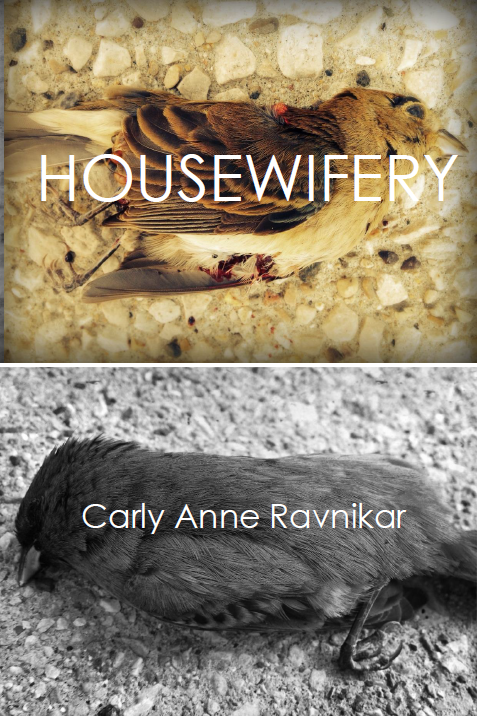
Current chapbook reading list: The Girl of My Dreams by April Salzano; Housewifery by Carly Anne Ravnikar; Small Like a Tooth by Carolyn Williams-Noren

Number of chapbooks you own: Not enough. About 10.

Number of chapbooks you’ve read: about 10. I need to get to more!

Your chapbook credo: I tell other writers to submit! Gather your poems together and see what kind of story they’re telling. You might have a chapbook brewing that you’re unaware of.